The Ten Mahavidya Yantras
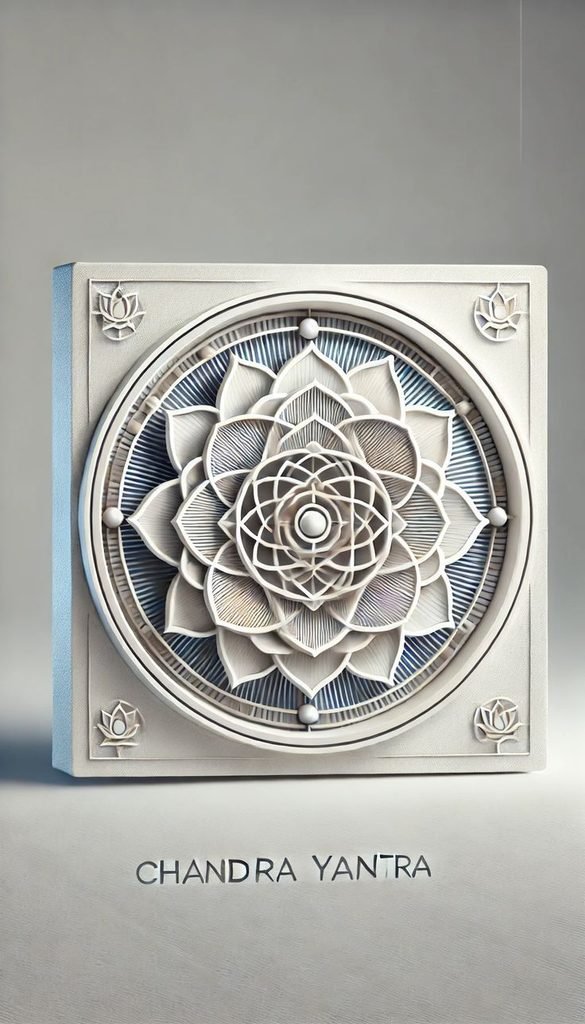
Browse vivid yantras honoring the ten Mahavidyas, each rich with sacred geometry, color, and symbolic detail.
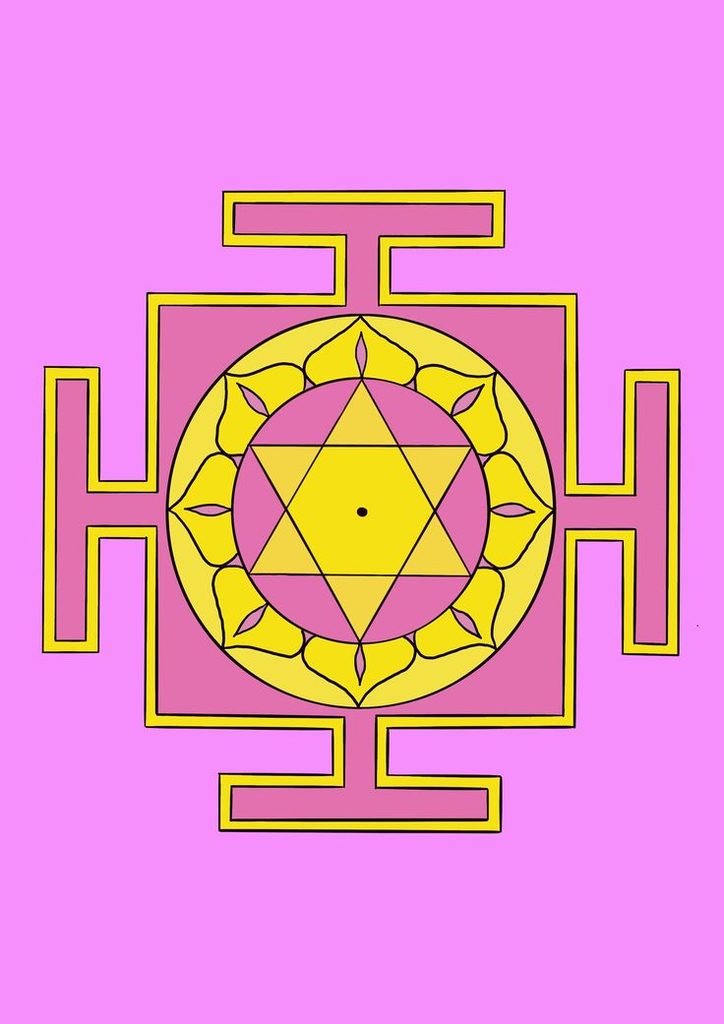
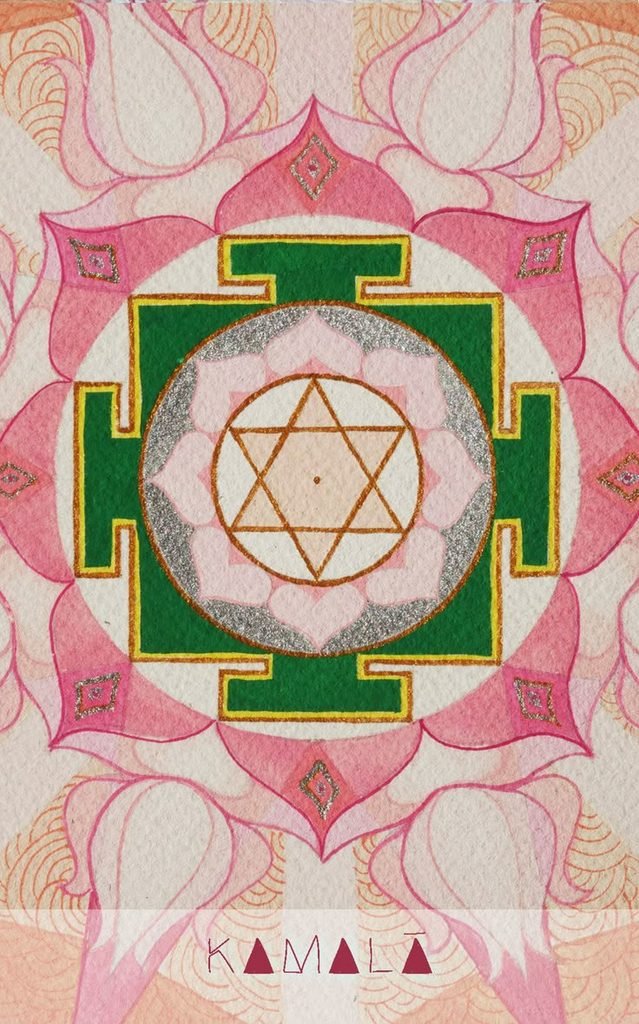
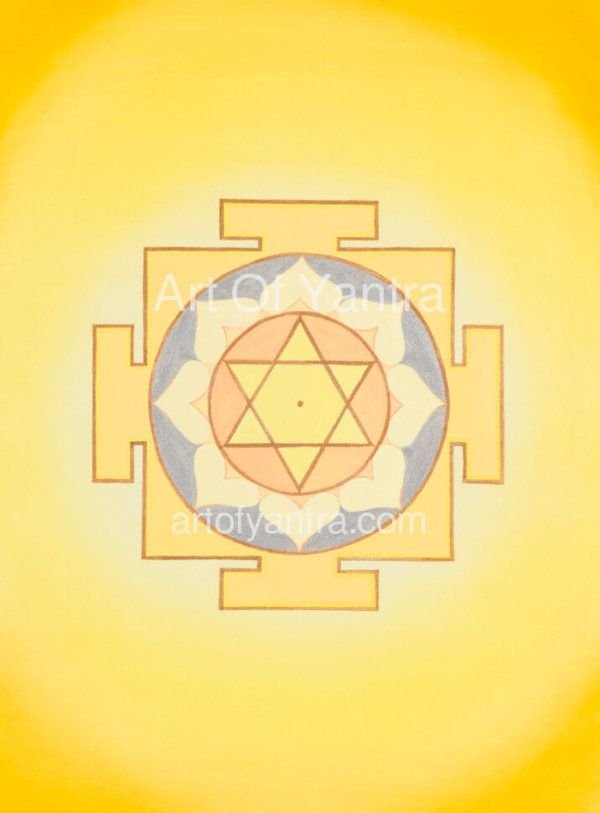
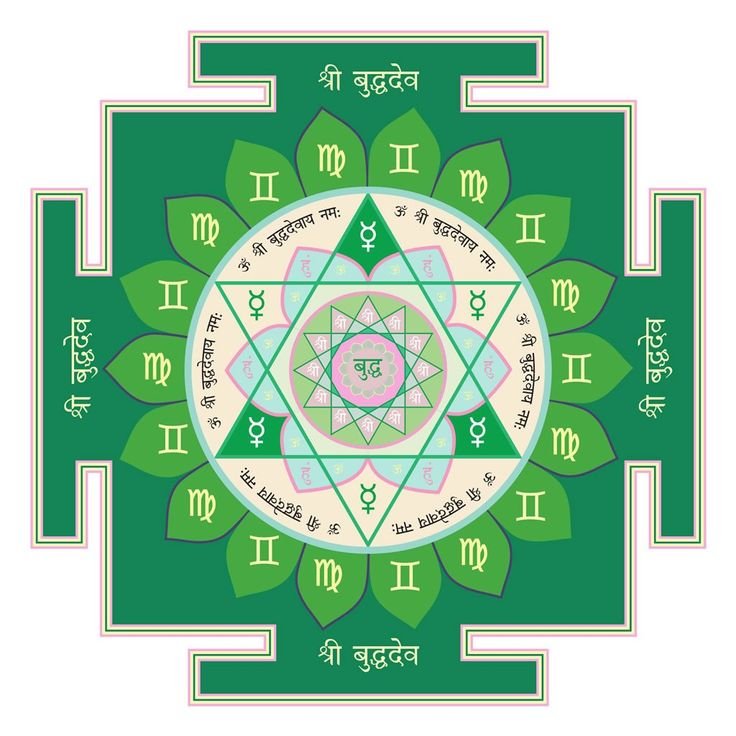
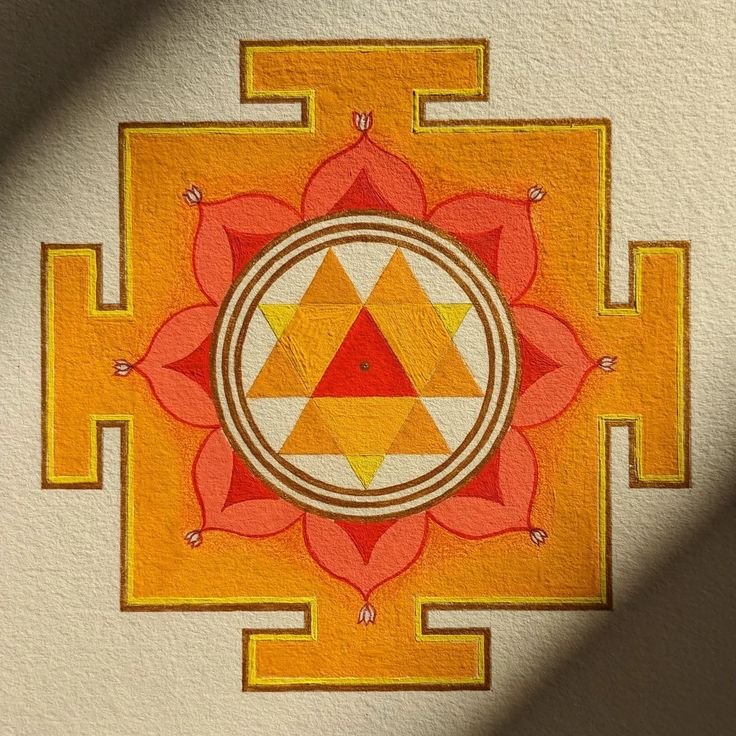
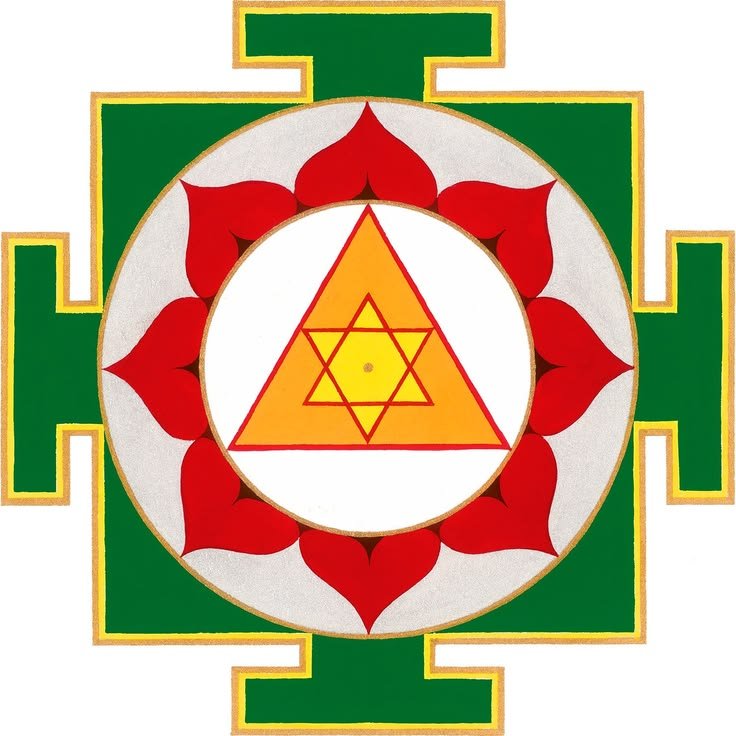
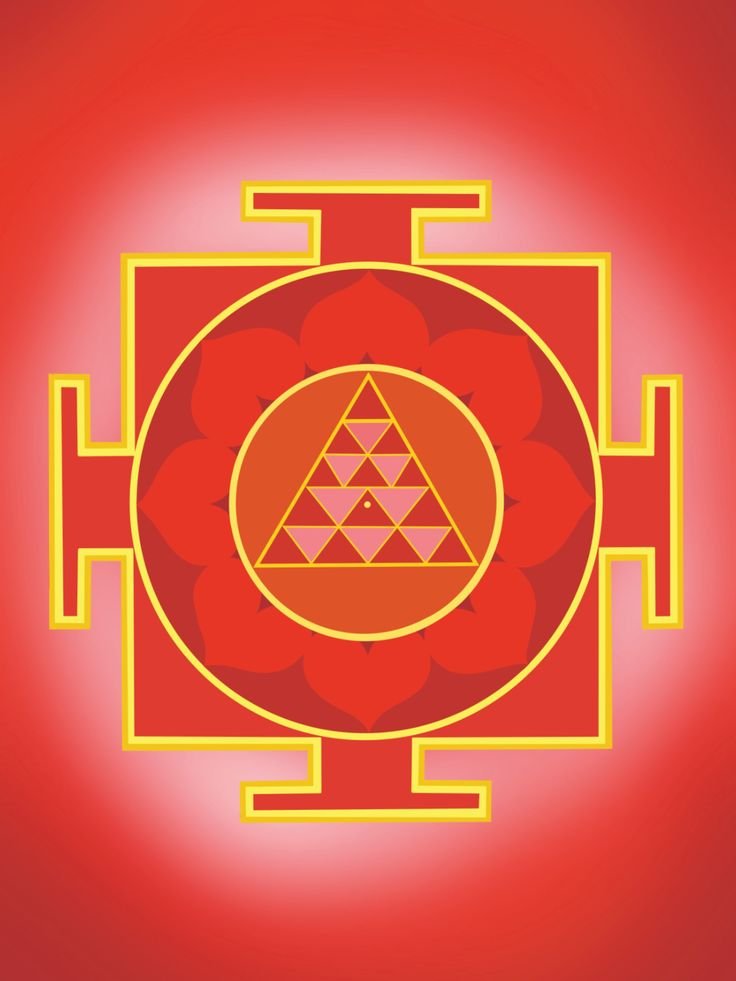
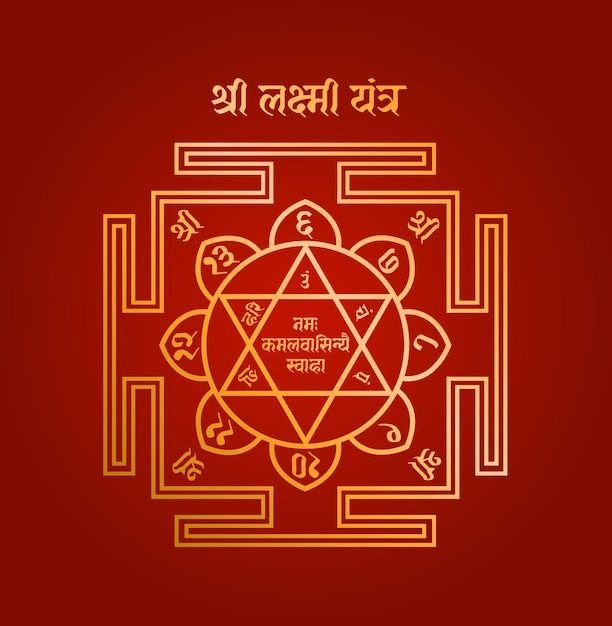
Introduction to Yantras
Yantras are intricate geometric diagrams that hold great significance within Hindu philosophy and spiritual practice. Historically, they have been utilized as powerful tools in meditation and worship, believed to facilitate a connection between the practitioner and the divine. Yantras serve not only as objects of veneration but also as representations of the cosmic and spiritual energies of various deities.
The geometry of yantras typically consists of shapes such as triangles, circles, and squares, each carrying its own symbolic meaning. For instance, the triangle often symbolizes the element of fire and the energy of action, while the square represents stability and the earth element. Together, these shapes form a harmonious pattern that is said to resonate with the energies of the universe. The construction of a yantra involves precision and intention, as each line and curve is designed to embody specific cosmic principles and enhance spiritual practices.
In the context of Hindu worship, yantras are often used as focal points during rituals, enabling devotees to center their thoughts and intentions. During meditation, practitioners concentrate on the yantra to invoke the presence of a deity, seeking guidance, protection, or enlightenment. The visualization of these geometric forms is believed to assist in transcending ordinary thought and reaching higher states of consciousness. Thus, yantras are not merely representations; they are perceived as actual embodiments of divine energies that can transform the spiritual experience.
In summary, yantras play a crucial role in the spiritual landscape of Hinduism, blending art, geometry, and spirituality. Their historical significance, coupled with their mathematical precision and symbolic depth, makes them profound instruments for connecting with the divine.
The Form and Function of Yantras
Yantras, which symbolize the cosmic truths of the universe, are intricate diagrams utilized in various spiritual practices, particularly in Hinduism and Buddhism. Physically, yantras are composed of specific geometric shapes, colors, and materials that are believed to enhance their spiritual potency. The design of a yantra is not merely decorative; each element serves a definitive purpose in ritualistic and meditative practices.
The shapes found in yantras often include circles, triangles, and squares, each embodying different aspects of the cosmos. For example, the circle is often associated with the divine and represents unity, while triangles may symbolize the divine energies of creation. Squares typically denote stability and the material world. This combination of shapes creates a multidimensional representation of sacred geometry that aims to harmonize the spiritual and physical realms.
Colors also play a vital role in the yantra’s significance. Each color carries its unique vibrational frequency, which can impact the ritual’s effectiveness and the practitioner’s meditation experience. For instance, red often signifies strength and passion, while blue embodies tranquility and peace. When combined thoughtfully, these colors work together to create an energy conducive to spiritual insight and clarity during rituals.
Materials used in constructing yantras can range from metal and wood to cloth and clay, each chosen for its unique properties. For instance, gold is often preferred for its purity and high vibration, while clay may be used for its earthy connection. In some traditions, yantras are imbued with mantras and other sacred symbols, further enhancing their spiritual effectiveness.
The impact of a yantra is felt not just visually but energetically, as its physical design allows for deeper meditative practices. Engaging with a yantra can serve as a focal point for meditation, drawing the practitioner into a deeper state of awareness. Thus, the form and function of yantras intertwine harmoniously to create tools that facilitate spiritual connection and enlightenment.
The Yantra of Ganesha: The Remover of Obstacles
The yantra associated with Lord Ganesha, revered as the remover of obstacles, holds deep significance in Hindu spirituality. This sacred geometric design, primarily represented as a square, embodies multiple layers of meaning. Typically, the yantra is composed of a central circle surrounded by an intricate arrangement of petals, symbolizing the divine feminine, and additional geometric patterns that denote harmony and order in the universe.
The design commonly features a triangular motif which signifies the path towards enlightenment. Additionally, at the core of the yantra lies the symbol of Ganesha, often depicted as a seated figure with a large head, embodying intellect and wisdom. This central figure takes on various forms, but the essence remains constant: an invitation to invoke the blessings of Ganesha for clarity and wisdom in overcoming life’s challenges.
In spiritual practices, devotees utilize the Ganesha yantra in various rituals and meditations aimed at seeking divine guidance. Its significance is accentuated during auspicious occasions, particularly at the beginning of new ventures. Practitioners often create a sacred space and position the yantra with reverence, followed by chanting Ganesha’s mantras, specifically “Om Gan Ganapataye Namah.” This mantra, when recited in conjunction with the yantra, is believed to amplify the practitioner’s intentions and thereby bring Ganesha’s blessings into their lives.
The yantra of Ganesha acts not only as a focal point during worship but also serves as a tool for mental and emotional alignment. The act of concentrating on the yantra helps to clarify one’s intentions and reinforces the desire for success while fostering a sense of security against life’s obstacles. Consequently, the Ganesha yantra represents not just a symbol of faith, but also a practical approach to enhancing one’s spiritual journey through its transformative energies.
The Yantra of Lakshmi: The Goddess of Wealth
The Yantra dedicated to Goddess Lakshmi, known as the Lakshmi Yantra, is a powerful geometric symbol that embodies the energy of prosperity and abundance. Lakshmi, the goddess of wealth, fortune, and prosperity, is revered in Hinduism, and her yantra serves as a sacred tool for devotees seeking to attract financial success and overall well-being. The design of the Lakshmi Yantra often comprises a central point (bindu) surrounded by a series of interlocking triangles, which symbolize the merging of male and female energies, thus reflecting balance and harmony.
The Lakshmi Yantra is characterized by its intricate patterns that resonate with spiritual energy. The outer squares represent the physical realm, while the inner triangles symbolize the divine presence of the goddess, connecting the material world to the spiritual. The yantra is traditionally made on copper or engraved onto various surfaces, and it is common for devotees to place it in their homes or workplaces. By doing so, they create an environment conducive to attracting wealth and opportunities.
Devotees utilize this yantra during worship and meditation rituals, often accompanied by specific mantras dedicated to Goddess Lakshmi. The act of visualizing the yantra enhances its potency, enabling practitioners to focus on their intentions. Ritualistic offerings and prayers directed towards the yantra further invite blessings into their lives. It is believed that regular commitment to the Lakshmi Yantra can manifest desires related to material success, financial stability, and emotional happiness, as the energy of the goddess permeates the atmosphere surrounding the yantra. Thus, the Lakshmi Yantra stands not only as an artistic representation but also as a vital instrument for engendering prosperity and abundance in the lives of devotees.
The Yantra of Durga: The Warrior Goddess
The yantra associated with Goddess Durga, often referred to as the Durga Yantra, is a powerful symbol representing the divine feminine energy and fierce warrior spirit of the goddess. This yantra is intricately designed, typically featuring geometric patterns that embody various aspects of strength, protection, and courage. The complexity of the Durga Yantra lies in its layered shapes and symmetrical designs, which are not only visually striking but also resonate with potent spiritual vibrations.
At the center of the Durga Yantra is the Bindu, a dot symbolizing the origin of creation and the seat of divine energy. This focal point is surrounded by intricate triangles that represent the goddess’s ability to conquer the negativity and chaos present in the world. Each triangle plays a significant role, symbolizing aspects of the goddess’s personality and powers, such as wisdom, courage, and vitality. The intersecting points of the yantra create multiple pathways for the energies to flow, making it an effective tool for spiritual and mental empowerment.
Devotees often utilize the Durga Yantra during rituals and meditative practices to seek the goddess’s blessings for courage and protection in times of adversity. The yantra serves as a visual representation for practitioners, reminding them of the inner strength and warrior-like qualities that lie within. Chanting specific mantras while focusing on the yantra is believed to enhance one’s resolve, enabling individuals to face life’s challenges with a fortified spirit.
Engaging with the Durga Yantra is more than just an artistic exploration; it is a spiritual journey that invokes the nurturing yet formidable energy that Goddess Durga embodies. Through this yantra, devotees are inspired to channel their inner warrior, invoke the goddess’s blessings, and navigate life’s obstacles with courage and resilience.
The Yantra of Saraswati: The Goddess of Knowledge
The Yantra associated with Goddess Saraswati, revered as the epitome of knowledge, music, and arts in Hindu tradition, holds profound spiritual significance. This sacred geometric design is not only a visual representation but also a powerful tool utilized for invoking her blessings. The Saraswati Yantra is typically composed of a central bindu, representing the cosmic energy and consciousness, encased within intricate geometric shapes symbolizing the universe.
Engaging with the Saraswati Yantra is believed to enhance wisdom, facilitate learning, and promote creative expression. The symbols and patterns embedded within the yantra serve as focal points during meditation and worship, helping practitioners attune themselves to the higher frequencies of knowledge and creativity. By concentrating on the Saraswati Yantra, devotees cultivate an environment conducive to intellectual growth and artistic inspiration.
In various educational institutions and artistic spaces, the Saraswati Yantra is often placed as a means to invoke divine guidance. Students and practitioners alike recite mantras and perform rituals in its presence, seeking to channel the goddess’s wisdom into their endeavors. Additionally, through the act of meditating on the yantra, individuals are encouraged to clear their minds, enabling a deeper connection with the creative forces of the universe. This practice is thought to not only improve cognitive abilities but also foster a sense of peace and clarity necessary for productive learning.
The spiritual implications of the Saraswati Yantra extend beyond personal development; it symbolizes the balance of knowledge and creativity and enhances the practitioner’s capacity to express insights in various forms. Such sacred symbols play an integral role in connecting with the divine, offering a pathway to personal enlightenment and artistic expression that resonates with the energy of Goddess Saraswati herself.
The Yantra of Shiva: The Auspicious One
The Yantra associated with Lord Shiva is revered for its profound spiritual significance and its role in the practice of Hindu rituals. This sacred geometry, known as the Shiva Yantra or Mahamrityunjaya Yantra, serves as a powerful tool for practitioners seeking spiritual awakening and a deeper connection to universal consciousness. The symbol itself typically consists of a central point, or bindu, representing the divine presence, surrounded by intricate geometric patterns that create a harmonious and balanced representation of the cosmos.
For devotees, this yantra is not merely an object of worship but a means for tapping into the divine energies associated with Lord Shiva. The usage of the Shiva Yantra is often accompanied by specific mantras and meditative practices aimed at invoking the essence of Lord Shiva, who embodies the principles of both destruction and regeneration. Practitioners may engage in daily rituals involving the yantra, such as chanting the ‘Mahamrityunjaya Mantra,’ which is famously dedicated to Lord Shiva and is believed to bestow protection, healing, and enlightenment.
Additionally, the Shiva Yantra holds a significant place in the realm of spiritual seekers. By meditating upon this yantra, individuals establish a conduit to higher states of consciousness, fostering an environment for inner peace and clarity. The process often involves visualizing the yantra and reflecting upon its meanings, which can lead to transformative experiences. Devotees express that engaging with this sacred yantra not only elevates their spiritual practices but also aids in aligning themselves with the vibrational frequencies of the universe.
The yantra’s impact extends beyond personal spiritual growth; it symbolizes the interconnectedness of all beings through the divine consciousness that Lord Shiva represents. As practitioners delve deeper into their relationship with the Shiva Yantra, they often report enhanced intuition, insights into life’s purpose, and a greater understanding of their place in the universe. Thus, the Yantra of Shiva stands as a pivotal element within spiritual traditions, guiding practitioners on their journeys toward ultimate enlightenment.
Using Yantras in Daily Practice
Incorporating yantras into daily spiritual practices can deepen one’s focus and connection to the divine. The use of these intricate geometric designs can serve as potent tools for meditation, visualization, and setting intentions. To begin incorporating yantras, one should first choose a yantra that resonates with them personally. Whether it be the Shri Yantra for abundance or the Ganesh Yantra for removing obstacles, selecting the right yantra is crucial for effective practice.
Once a yantra has been selected, placement is an important consideration. Ideally, the yantra should be positioned in a clean and quiet space, preferably in a location that faces east or north. This positioning is believed to enhance the yantra’s energy. It should be displayed on an altar or a special surface, ensuring it is treated with respect. Keeping the area around the yantra uncluttered helps maintain a serene atmosphere conducive to meditation.
Rituals surrounding the yantra can further enhance its efficacy. Regular offerings of flowers, incense, or light can create a sacred environment that invites divine energy. Engaging in a simple daily ritual, such as lighting a candle and chanting the corresponding bija mantra while focusing on the yantra, can amplify both mental clarity and spiritual connections.
For meditation, practitioners are encouraged to visualize the yantra in their mind’s eye. This helps to engrain its form and energy into one’s consciousness, enhancing concentration and spiritual awareness. As distractions arise during this practice, gently returning attention to the yantra fosters discipline and mindfulness. Over time, individuals often report a heightened sense of tranquility and focus in their lives, reinforcing the belief in the transformative qualities of yantras.
An ongoing practice with yantras not only supports personal spiritual development but also encourages a deeper understanding of the interconnectedness of life and intention. Through consistent use and respect for these sacred symbols, individuals can establish a meaningful spiritual routine that nurtures their inner growth.
Conclusion: The Power of Yantras in Spirituality
In the realm of spirituality, yantras are profound symbols that transcend mere visual representation. They serve as intricate, geometric models for spiritual understanding and connection, acting both as objects of worship and as conduits to deeper insights into the divine. Across various traditions—be it Hinduism, Buddhism, or Jainism—yantras embody the cosmic principles of the universe and the deities they represent. This dual role enhances their significance in spiritual practices, catering to both the religiously devout and those who seek a deeper philosophical engagement with spirituality.
Yantras function effectively in meditation and rituals, allowing practitioners to focus their minds and channel their intentions towards a higher consciousness. They are often viewed as a bridge between the material and spiritual realms, facilitating a dialogue between the practitioner and the divine. The layered symbolism within each yantra can evoke states of contemplation, understanding, and reverence, encouraging a transformation of one’s inner landscape.
Furthermore, the aesthetic dimensions of yantras cannot be overlooked. Their complex designs often reflect a harmony that resonates with the universe’s order, adding to their allure. This is evident in the intricate patterns found in the Shree Yantra, which, apart from serving a spiritual purpose, captivates the observer’s eye and invites prolonged reflection. Thus, the visual beauty and intricate designs of yantras initiate an emotional response that deepens the spiritual connection.
Ultimately, the power of yantras in spirituality pertains to their multifaceted roles as pathways to the divine. By engaging with these sacred symbols, individuals are offered an opportunity to explore their inner selves while forging a deeper relationship with the divine forces at play. This aspect of yantras underscores their role not just as objects of devotion, but as essential tools for spiritual evolution and enlightenment, fostering an enriched understanding of existence and beyond.
Mahavidya Yantras
A vibrant collection of sacred yantras representing the ten Mahavidyas, each rich with color, symbolism, and spiritual presence.

Yantra Gallery

A radiant yantra honoring Kali, rendered in deep blue, crimson, and gold.

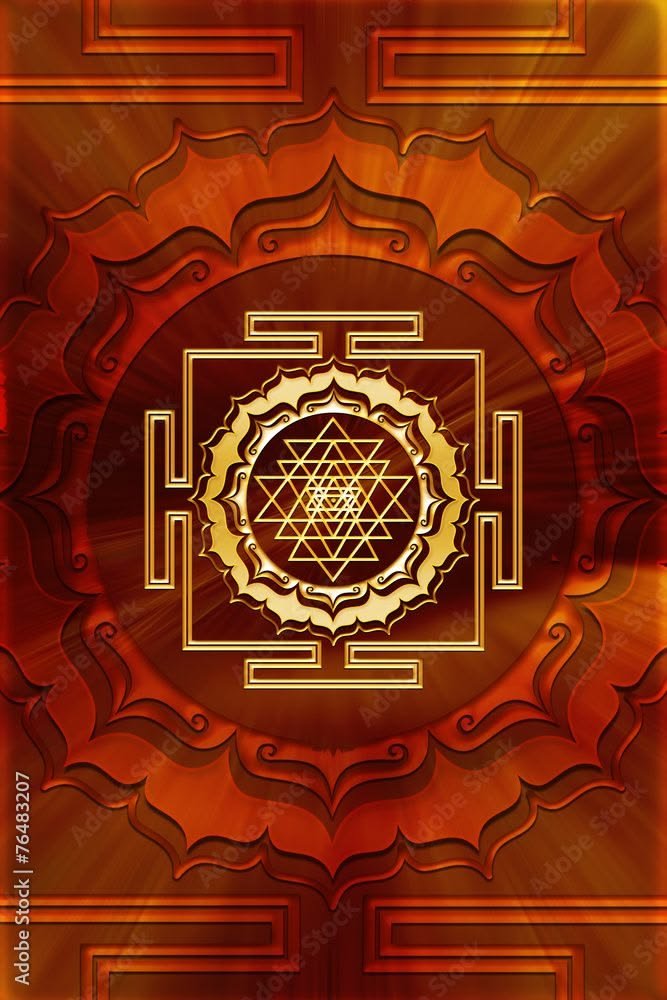
A richly layered Tripura Sundari yantra glowing with geometric harmony and warm rose tones.

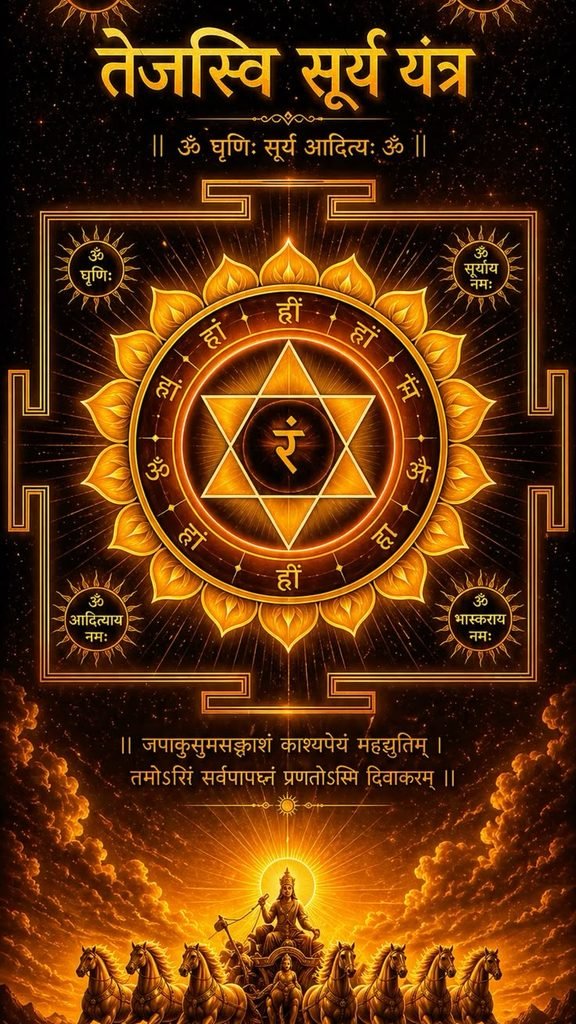
A vibrant Mahavidya yantra collection reflecting sacred geometry, devotion, and vivid color.
Sacred Gallery
A vibrant collection of sacred yantras honoring the Mahavidyas.


