Crafted and Energised with Care
See how we craft each yantra and perform pran pratishtha with Siddhar mantras before it is sent to you.
Siddhar Matrix is presented as a traditional spiritual practice in which yantras are prepared through a combination of symbolic design, astrological timing, and disciplined ritual observance. Rather than treating a yantra as a standard item selected from stock, this approach regards its preparation as a purposeful process shaped by the intended use and the individual’s spiritual purpose.
The journey begins when an order is received and the client’s intention is carefully understood. This may involve identifying the purpose associated with the requested yantra, considering relevant personal details, and determining which planetary association or sacred design is appropriate within the tradition. Astrological considerations can influence the selection of materials, the day or hour of preparation, and the broader sequence of ritual activity. These steps reflect an effort to align the work with established spiritual principles rather than a promise of a particular result.
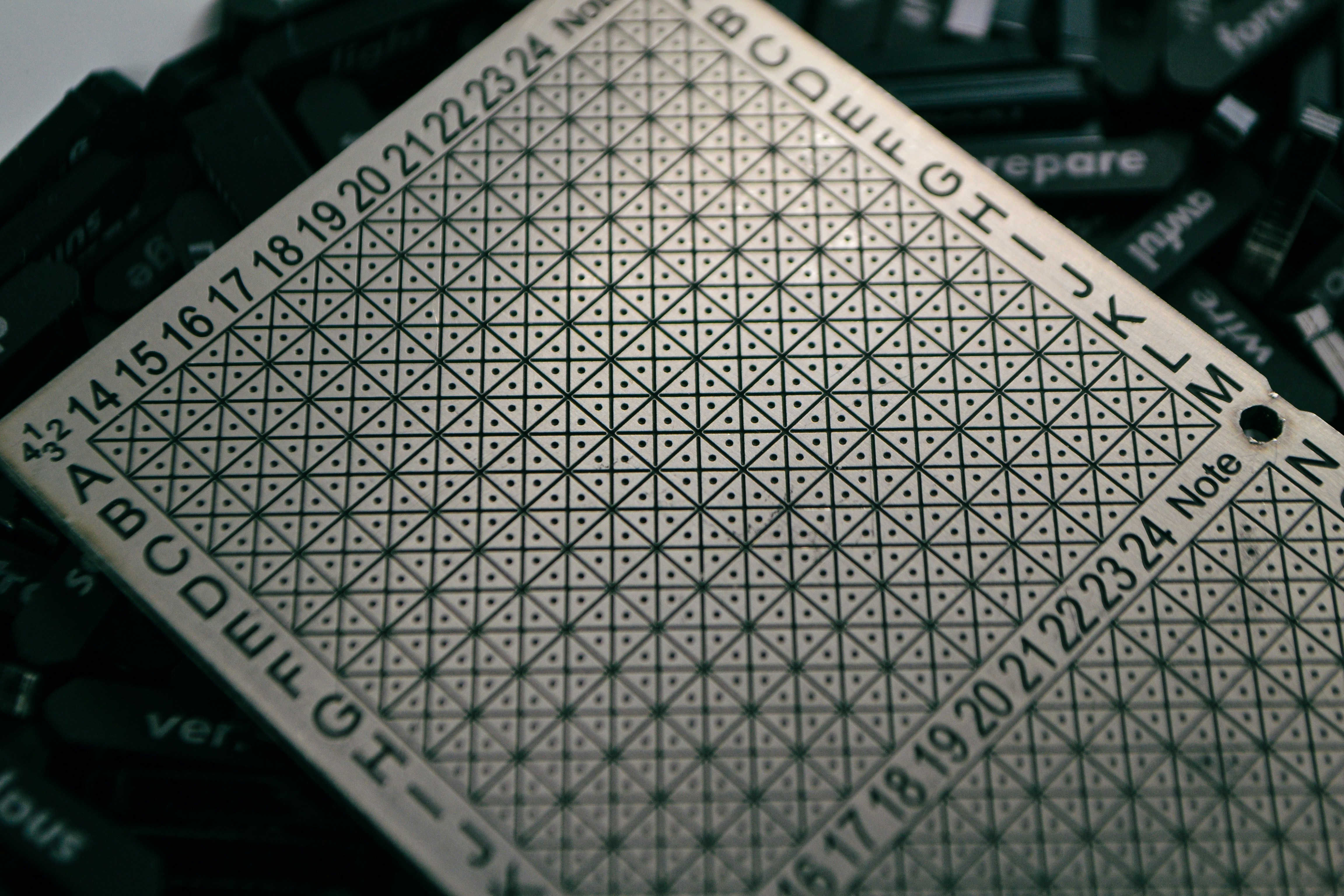
Preparation is followed by consecration, commonly described as prana pratishtha, a ritual through which the yantra is respectfully established as a sacred object. The process may include recitation, meditation, offerings, purification, and other practices performed according to the practitioner’s discipline. Attention to cleanliness, correct construction, inscriptions, and ritual handling forms an important part of the preparation before the item is considered ready for delivery.
This article follows that journey from order confirmation to preparation, consecration, quality review, and dispatch. It also recognizes that interpretations of yantras vary across spiritual communities and among individual practitioners. Their significance is therefore best understood within a faith-based and ritual context, with respect for the beliefs that inform the practice. A yantra should not be presented as a guaranteed medical, financial, or personal solution, nor as a substitute for professional guidance. Instead, the preparation process can be viewed as a structured expression of intention, devotion, symbolism, and care.
Once an order is placed, the preparation process begins with a careful review of the information provided by the client. The team records the selected yantra, the requested quantity, its intended purpose, and any personalization details. This initial record also includes the client’s preferred delivery method, complete shipping information, and any timing requirements, such as a requested dispatch date, ceremony, festival, or other significant occasion. Accurate documentation at this stage creates a clear reference for every later step.
The order is then checked for completeness. The team confirms which planet, deity, energy, or traditional purpose is associated with the chosen yantra, particularly when several designs or forms are available. If the client has supplied birth date, birth time, birthplace, or other astrological information, those details may be reviewed in accordance with the service’s established spiritual or astrological method. A specific intention or written request is also examined so that the preparation is aligned with the order rather than based on assumptions.
Practical details receive equal attention. Before production begins,we verify the correct yantra design, material, dimensions, finish, and quantity. Names, initials, inscriptions, or other personalization are checked carefully for spelling and formatting. The shipping address is reviewed for completeness, including the recipient’s name, apartment or unit information, postal code, telephone number when required, and destination country. Any mismatch between the order form, payment record, and delivery details should be resolved with the client before work proceeds.
Timing is also assessed at this review stage. If preparation, consecration, packaging, or delivery involves a requested date, the team considers whether the schedule is practical and communicates any necessary clarification. Questions about an incomplete purpose, unclear customization, unavailable material, or conflicting instructions are addressed before the yantra is made. This disciplined intake process helps prevent avoidable errors and ensures that the selected design, personal details, production specifications, and delivery arrangements are all recorded consistently. Only after the order has been confirmed as complete and internally coherent does it move forward to preparation.
In the Siddhar Matrix preparation process, hora refers to a traditional division of the day into planetary hours. Each period is associated with a planetary ruler, and the sequence follows an established astrological order beginning with the planet governing the day. Hora is therefore not simply a convenient clock hour; it is a symbolic timing framework used to align an activity with a particular planetary influence.
The appropriate period is selected according to the yantra’s planetary correspondence and the purpose for which it is being prepared. For example, a yantra associated with prosperity, learning, protection, healing, or spiritual discipline may call for a different planetary hora, depending on the traditional associations used by the practitioners. The team considers these correspondences alongside the intended use of the yantra, ensuring that the selected timing supports the ritual objective rather than applying one fixed schedule to every preparation.
Because planetary hours are calculated from the actual length of daylight and nighttime, they do not have a uniform sixty-minute duration. The team consults a reliable hora calculation for the relevant location and date, using the local sunrise and sunset times to identify the beginning and ending of each period. Geographical position is important: the same calendar date can produce different planetary-hour timings in different places, while seasonal changes can also alter the length of each hora.
This planning may require waiting for the next suitable period instead of beginning the preparation immediately. Such scheduling is treated as a deliberate part of the process, allowing the materials, workspace, and participants to be ready when the selected hora arrives. The timing reflects the ritual framework followed by Siddhar Matrix and should be distinguished from scientific timekeeping, which measures time through standardized clocks and astronomical conventions. Planetary hora carries traditional and symbolic significance; it is used here as a cultural and spiritual method for organizing the preparation of the yantra.
Before a Siddhar Matrix Yantra is made, practitioners prepare the workspace with the same care given to the design itself. The area is cleaned thoroughly, cleared of unnecessary objects, and arranged so that every required item is accessible without interruption. A stable, level surface is selected, and the working direction and orientation are established according to the relevant tradition. The environment should remain quiet, orderly, and undisturbed throughout the preparation and drawing process.
The yantra material is then chosen and inspected. Depending on the lineage, it may be metal, paper, cloth, wood, or another prescribed surface. It must be clean, suitable, and free from cracks, stains, bends, scratches, or other damage that could affect the sacred design. Practitioners verify its size, proportions, texture, and finish before use. Traditional tools are arranged in advance, including rulers, compasses, styluses, brushes, and other instruments required for precise work. Inks, natural pigments, powders, and cleansing substances are prepared according to the established protocol.
Ritual articles may also be placed near the work area. These can include an oil lamp, flowers, incense, water vessels, offerings, and protective or consecrated materials. Their arrangement is not merely decorative; it supports an intentional sequence and prevents unnecessary movement while the yantra is being created. Each item should be clean, intact, and handled respectfully.
Accuracy remains central to this stage. Geometric proportions, intersecting lines, script, symbols, measurements, and directional orientation are checked before marking begins. The final surface should allow clear, balanced lines and a refined finish without smudging, gaps, or distortion. Personal readiness is equally important. Practitioners traditionally bathe or cleanse themselves, wear suitable clothing, settle the mind, and maintain focused attention. Since exact materials and procedures vary among yantra traditions, preparation should be directed by trained practitioners who understand the relevant ritual protocol and can preserve both technical precision and ceremonial integrity.
When the selected planetary hora arrives, the practitioner begins the physical preparation of the Siddhar Matrix Yantra. In this tradition, the hora is more than a convenient time on the daily schedule. It is regarded as a period associated with a particular planetary influence, and beginning the work within that interval connects the act of preparation with the yantra’s intended purpose and correspondence. The practitioner therefore prepares the workspace, materials, and personal state in advance so that the process can start without unnecessary delay.
Once the work begins, the prescribed sequence is followed carefully. This may include establishing the outer boundaries, placing geometric divisions, adding planetary symbols, writing letters or numbers, reciting designated mantras, and maintaining the required orientation. Proportions, spacing, symmetry, and the relationship between each element are treated as significant features rather than matters of decoration. Depending on the order and tradition, the yantra may be drawn with prepared pigments, engraved on metal, printed, assembled from separate components, or produced on another specified material. The selected medium is used according to the instructions associated with that particular preparation.
Throughout the process, sustained attention is essential. The practitioner checks the sequence, proportions, inscriptions, symbols, and directional alignment as the work progresses. Interruptions may be avoided where possible, since a break can affect concentration and continuity. If a line is misplaced, lettering is incorrect, a surface is smudged, or another flaw appears, it is identified and addressed according to the practitioner’s established standards. Depending on the tradition and the nature of the error, the affected portion may be corrected, cleaned, redrawn, or prepared again rather than accepted without review.
This disciplined approach preserves continuity between intention and form. The chosen hora frames the preparation within its planetary association, while the careful execution gives that association a precise physical expression. Completion is therefore understood not simply as finishing an object, but as carrying the prescribed timing, method, symbolism, and orientation consistently from the beginning of the work through the final inspection.
Prana pratishtha is a traditional consecration or invocation ritual performed to dedicate and spiritually activate an image, yantra, or other sacred object. In accessible terms, it marks the transition from a completed material form to an object formally associated with a particular spiritual intention. Within the Siddhar Matrix tradition, this process is understood as a ceremonial act of preparation rather than as a scientifically proven transfer of energy or a guaranteed transformation in the life of the recipient.
After the yantra has been completed, it is placed in a prepared setting selected for the ritual. The practitioner may arrange the space, purify the surroundings, and establish the appropriate conditions before beginning the prescribed sequence. Depending on the tradition and the purpose of the yantra, this sequence can include prayers, mantra recitation, offerings, meditative concentration, visualization, and gestures or invocations associated with the relevant deity, principle, or planetary correspondence.
These actions serve a formal role within the lineage. They connect the finished yantra with its intended spiritual purpose and acknowledge the discipline, symbolism, and devotional framework behind its preparation. The practitioner’s focused attention is also part of the observance, helping establish a respectful relationship between the ritual object, its intended use, and the person for whom it was prepared.
Prana pratishtha does not change the physical composition of the yantra, nor does it guarantee specific outcomes for a client. Instead, it prepares the object for respectful use according to the beliefs and practices of the Siddhar Matrix tradition. Once the observance is complete, the yantra may be carefully handled, packaged, and dispatched with guidance about placement, care, or personal practice where appropriate. The exact sequence is not universal: it can vary according to the practitioner’s training, the lineage followed, the yantra’s planetary or spiritual correspondence, and the purpose stated at the time of preparation.
After consecration, the Siddhar Matrix Yantra undergoes a final inspection before it is prepared for dispatch. This stage confirms that the sacred object has been handled carefully and that its physical presentation reflects the importance of the ritual work. The surface is reviewed for cleanliness, legibility, alignment, and any marks or damage that may have occurred during preparation. Lines, symbols, inscriptions, borders, and other visual elements are checked against the approved design so that the finished yantra corresponds to the intended form.
The team also verifies the yantra’s associated planetary or spiritual correspondence. This check helps confirm that the correct design, materials, and ritual preparation were used for the client’s request. Records are reviewed to ensure that the consecration has been completed, including any required prayers, mantra recitation, offerings, or prana pratishtha procedures. Once these details are confirmed, the item is matched with the correct order record, recipient information, selected size or material, and any personalization requested by the client.
Client-specific materials are then prepared and reviewed. Depending on the order, these may include a short description of the tradition connected with the yantra, guidance for placement, instructions for respectful use, and recommendations for keeping it clean and protected. Placement advice may identify a suitable room, surface, or orientation, while care guidance can explain how to avoid unnecessary handling, moisture, dust, or exposure to unsuitable conditions. The information is presented clearly so that the recipient can understand the intended practice without ambiguity.
If a certificate, ritual note, mantra card, or personalization document accompanies the yantra, its spelling, names, dates, identification details, and correspondence with the order are checked individually. Any included note is placed with the correct item rather than added as a general insert. After inspection, the consecrated yantra is handled with clean hands or suitable protective materials and kept in a secure area until packaging. Protective wrapping and appropriate presentation help preserve its condition and communicate that the item has been prepared as a sacred delivery, not merely as a decorative product.
Once the Siddhar Matrix Yantra has completed its preparation, packaging should protect the physical object while reflecting the care given to its creation. Clean hands and a clean, dry packing area help prevent fingerprints, dust, oils, and accidental stains. If appropriate for the material, the yantra may be covered with acid-free tissue, a soft cotton cloth, or another nonabrasive layer that will not transfer dye or leave fibers behind. Protective wrapping should hold the item securely without pressing against raised lines, inscriptions, edges, or decorative surfaces.
A rigid, appropriately sized box or protective container is generally preferable to a flexible mailer. The yantra should not move freely inside the package, but cushioning should be gentle and evenly distributed rather than tightly compressed. Moisture-resistant outer packaging can help during transit, especially in humid conditions, while desiccant packets may be used when suitable and kept separate from direct contact with the yantra. The item should also be isolated from metal objects, rough paper, loose pigments, oils, liquids, food, and other materials that could bend, scratch, stain, crease, or otherwise affect it.
Before sealing, the fulfillment details should be checked against the order. This includes the recipient’s name, delivery address, contact information, selected yantra, preparation details, and any requested documents. The outer label should be accurate and legible, while the contents and any spiritually sensitive information should remain private. A final inspection can confirm that the wrapping is secure, the container is properly closed, and the package is marked with suitable handling guidance when needed.
Client instructions are best included in a clear, practical note. It may explain how to receive the package, open it carefully, and place the yantra in a clean location traditionally associated with prayer, meditation, or personal practice, according to the client’s lineage or guidance. The note can also encourage respectful handling and safe storage when the object is not in use. Such packaging does not guarantee spiritual effects; its purpose is to preserve the prepared object, communicate relevant care, and honor the ritual process through reliable fulfillment.
Once the yantra has passed its final inspection and protective packaging is complete, Siddhar Matrix hands the prepared parcel to the selected delivery service. The dispatch record is checked against the client’s order details to help ensure that the correct item and destination are recorded. The client is then informed that the order has been shipped, together with the courier name, tracking number, and, where available, an estimated delivery window. Tracking information allows the client to follow the parcel’s progress and contact the delivery provider directly if a logistical issue arises.
After delivery, the client may open the package in a calm and respectful setting. If possible, the parcel can be placed on a clean surface before the protective materials are removed carefully. The accompanying instructions should be read fully, since they may explain handling, placement, storage, and any customary considerations associated with the particular yantra. No elaborate ceremony is required unless the client chooses to adopt one; attentiveness and respect are more important than performance.
A yantra may be incorporated into a personal spiritual practice in a manner that feels meaningful to the individual. Some clients place it in a quiet space for reflection, prayer, meditation, or focused intention. Others use it as a visual reminder during a regular routine. These practices are personal and optional. A yantra should complement, not replace, qualified medical, legal, financial, or mental-health advice, professional treatment, or practical decision-making.
⁸The complete journey therefore extends from careful order review and planetary-hour selection through deliberate creation, prana pratishtha, inspection, protective packaging, and delivery. Follow-up communication helps preserve clarity from dispatch to arrival, while the client’s considered use gives the object a place within daily life. The value of the process lies in its intentionality, traditional discipline, and respectful service: each stage is approached with care so the client receives not merely a shipped item, but a thoughtfully prepared sacred object and clear guidance for its responsible use.
Crafted and Consecrated
Each yantra is carefully made, then consecrated through Pran Pratishtha with Siddhar mantras to energise it before it is sent to you.


Yantra Consecration
We craft each yantra, perform Pran Pratishtha with Siddhar mantras, then pack it for delivery.